How Transaction Speed and Security Protocols Shape Progressive Jackpot Ecosystems in Mobile Slots
Rafael Neumann · Nov 5, 2026
How Transaction Speed and Security Protocols Shape Progressive Jackpot Ecosystems in Mobile Slots
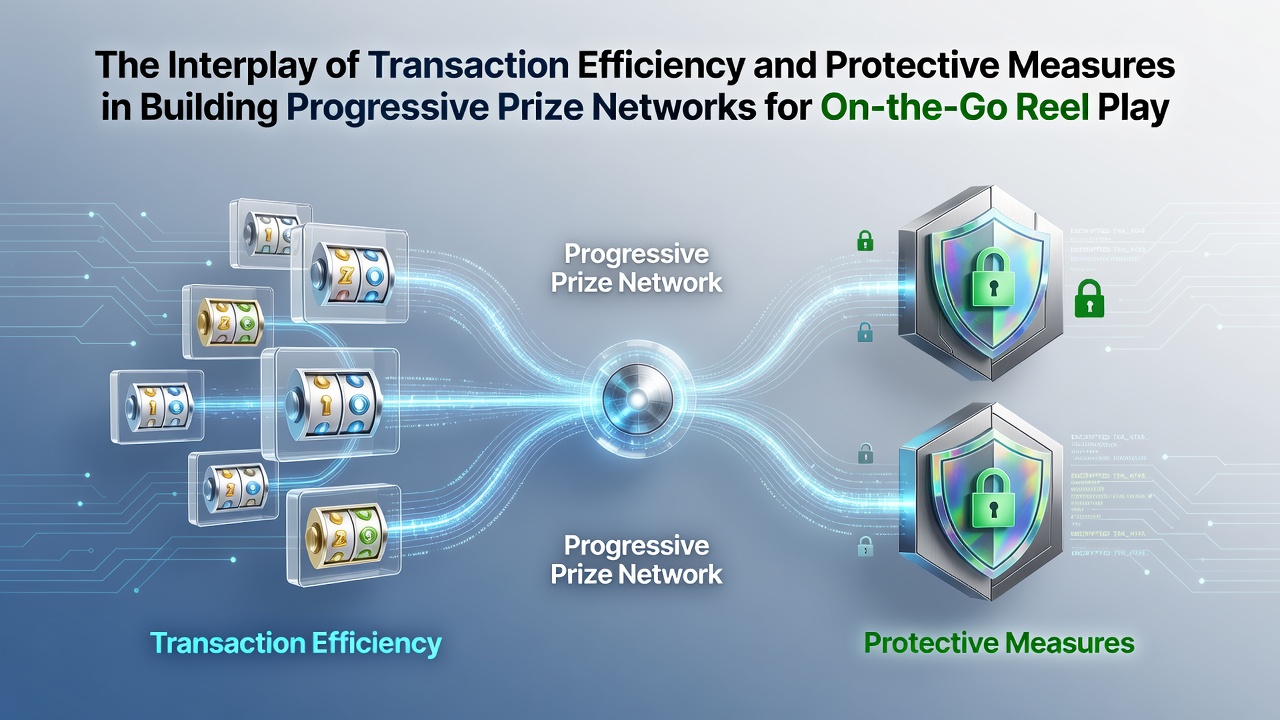
Progressive prize networks in mobile slot environments rely on rapid transaction processing paired with layered security frameworks that together enable seamless contributions to shared jackpot pools, and observers note that these elements have grown more interdependent as on-the-go reel play expanded through late 2026.
Core Mechanics of Progressive Networks on Mobile Platforms
Progressive systems aggregate small percentages from individual wagers across multiple titles and operators into escalating prize pools that players access via smartphones and tablets, while data from industry reports shows that mobile devices now account for the majority of jackpot triggers in several regulated markets. Network operators maintain centralized ledgers that update in real time as each spin occurs, and this structure demands both instant payment rails for stake placement and continuous monitoring to verify that every contribution reaches the correct pool without interception or duplication.
Transaction Efficiency Driving Real-Time Pool Growth
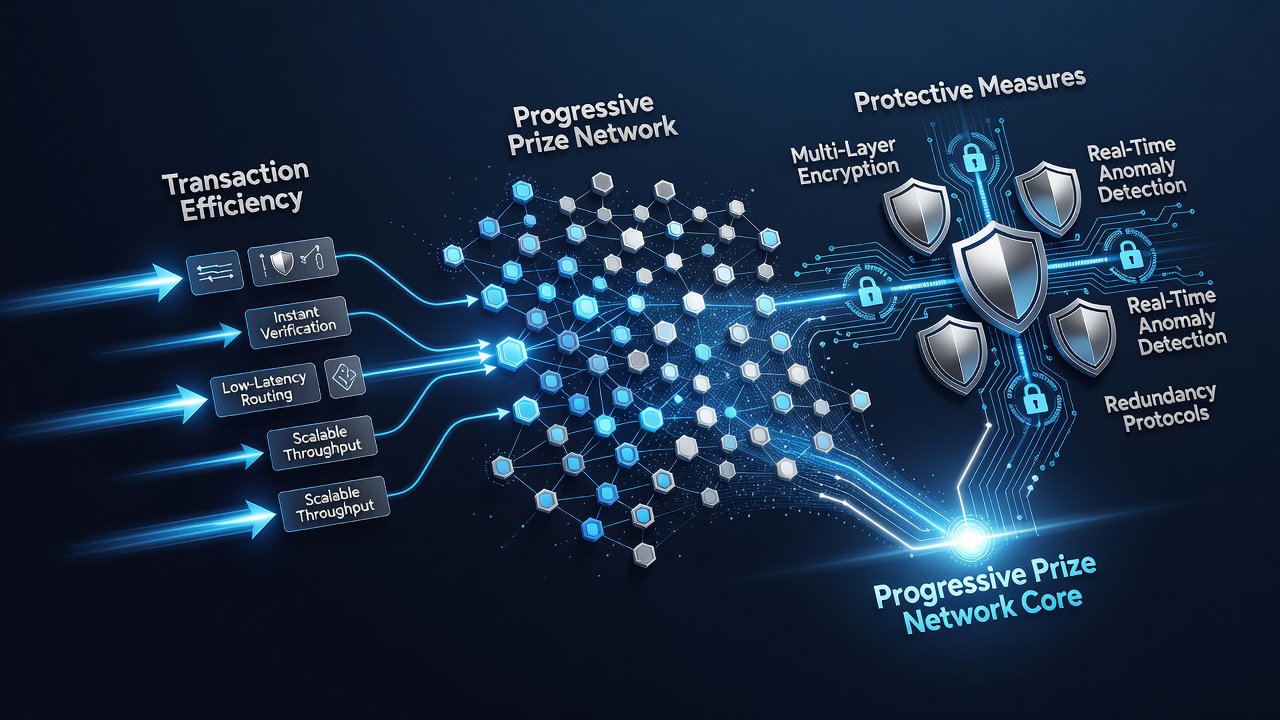
Payment gateways that settle deposits within seconds allow players to move from funding an account to placing bets without interruption, and this speed directly feeds progressive meters because each wager must register instantly for the network to calculate the next increment accurately. Systems using open banking or digital wallet integrations process these transfers at scale, whereas slower methods create lags that can stall meter visibility and reduce player engagement during peak mobile sessions. Research from the National Council on Problem Gambling indicates that platforms with sub-second settlement times record higher average contributions per active user, since uninterrupted play cycles keep more participants feeding the shared pools across linked games.
Developers integrate APIs that synchronize transaction confirmations with the progressive engine so that every qualifying bet updates the jackpot display before the next spin begins, and this tight coupling prevents discrepancies that might otherwise erode trust in the fairness of the growing prize.
Protective Measures Embedded in Network Architecture
Security protocols encompass encryption standards for data in transit, multi-factor authentication for account access, and real-time fraud detection algorithms that flag anomalous betting patterns before they affect jackpot integrity. Regulators in multiple jurisdictions require operators to maintain segregated player funds and conduct regular penetration testing, while automated systems monitor for collusion attempts that could artificially inflate or drain progressive pools. Those who manage these networks deploy tokenization for payment details so that sensitive information never resides on the gaming servers themselves, and this separation reduces exposure even during high-volume mobile traffic periods.
Interplay Between Speed and Safeguards in Practice
When transaction systems operate at peak efficiency they must still pass through verification checkpoints that confirm player identity and transaction legitimacy without adding noticeable delay, and this balance becomes especially critical during November 2026 when seasonal mobile traffic surges coincide with major jackpot resets. Engineers design parallel processing pathways so that security scans run concurrently with payment authorization rather than sequentially, allowing the progressive network to receive validated contributions almost immediately after each bet. One documented implementation in Canadian markets demonstrated that combining biometric authentication with instant bank transfers maintained both sub-two-second average processing times and a 99.8 percent fraud rejection rate, according to figures released by iGaming Ontario.
Algorithms adjust security intensity dynamically based on transaction size and player history, routing larger or first-time deposits through additional checks while permitting routine micro-transactions to flow faster, and this adaptive approach keeps overall network throughput high without compromising the integrity of the linked prize pools. Observers note that progressive networks benefit when security layers also support responsible gambling tools, such as session limits that automatically pause contributions once thresholds are reached, thereby protecting both players and the long-term sustainability of the jackpot system.
November 2026 Developments and Network Evolution
Updates rolled out in several North American and European jurisdictions during November 2026 emphasized standardized APIs for secure instant payments that integrate directly with progressive controllers, and these changes reduced reconciliation times between operators and central prize managers. Industry organizations such as the World Lottery Association reported that participating networks saw measurable increases in cross-border mobile participation once common security certification standards were adopted, because players encountered fewer verification interruptions when switching between devices or regions. The same period brought refinements in quantum-resistant encryption trials for jackpot ledgers, addressing future-proofing concerns while preserving the low-latency performance required for real-time reel play.
Conclusion
Transaction efficiency and protective measures function as complementary components within progressive prize networks for mobile slots, with each advancement in one area prompting corresponding refinements in the other to sustain both speed and trust. Continued technical integration across payment rails, authentication systems, and jackpot engines supports expanding on-the-go participation while meeting regulatory expectations across diverse markets.