Hybrid Reel and Table Games Merge Security Protocols with Tiered Incentive Structures
Olivia Jung · Nov 19, 2026

Hybrid Reel and Table Games Merge Security Protocols with Tiered Incentive Structures
Developers continue to refine cross-platform reel and table hybrids by connecting security protocols directly to layered reward systems, creating experiences that function seamlessly across mobile, desktop, and console environments. These hybrids combine spinning reel mechanics with table game elements such as card draws and betting rounds, while encryption standards and authentication layers operate in tandem with progressive reward tiers that unlock based on verified play patterns.
Research from the Australian Gambling Research Centre indicates that integrated systems reduce unauthorized access incidents by aligning reward distribution with real-time security checks. One developer group implemented blockchain-based verification that confirms player identity before releasing tiered bonuses, ensuring that free spin multipliers and table game multipliers activate only after multi-factor authentication completes.
Cross-Platform Architecture and Security Integration
Platforms supporting these hybrids maintain consistent security across devices through unified APIs that handle both reel sequences and table outcomes. Data shows that developers who embed security tokens within reward algorithms achieve higher session retention because players receive immediate confirmation that their accumulated points remain protected during platform switches. In November 2026 several studios released updates that synchronized device fingerprinting with reward ledgers, allowing seamless progression from mobile reels to desktop table rounds without resetting security states.
Observers note that such architectures rely on end-to-end encryption paired with dynamic reward scaling, where higher security compliance unlocks deeper reward layers. This approach connects protocol strength to incentive depth, so players who complete additional verification steps gain access to chained jackpot pools that span both reel and table components.
Layered Rewards Tied to Verification Levels
Layered reward structures typically progress through bronze, silver, and gold tiers, each gated by distinct security protocols. Bronze rewards might include standard free spins on hybrid reels, while gold tiers deliver combined reel-table multipliers after players pass biometric checks and transaction monitoring. Industry reports from the Canadian Centre for Gaming Research reveal that this tiered model correlates with a measurable drop in account sharing because rewards remain inaccessible without matching identity credentials.
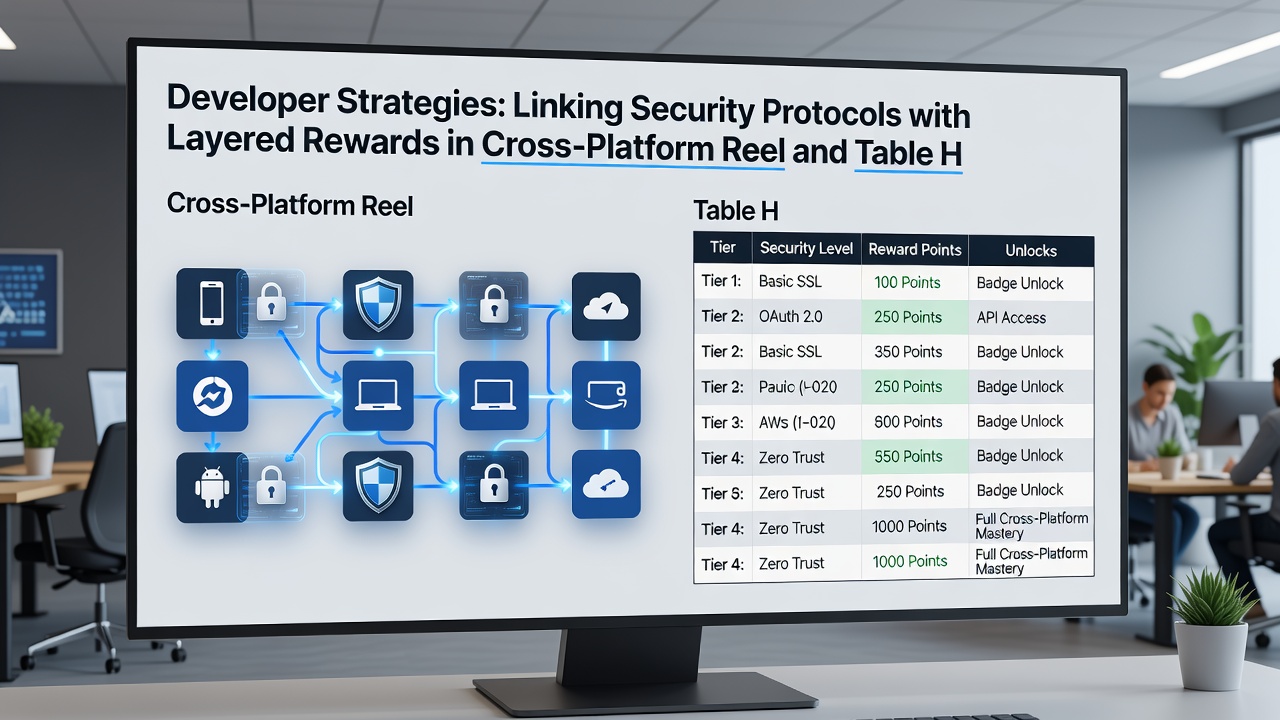
Developers further link these layers by embedding smart contracts that release rewards only when security thresholds are met. A player completing a table round on one device can carry verified progress to a reel sequence on another device because the contract validates the security state before distributing the next incentive level. This method reduces friction while maintaining protocol integrity across the entire session.
Case Examples from Recent Implementations
One studio released a hybrid title in late 2026 that fused five-reel mechanics with blackjack-style decisions, where each security-verified win advanced the player through reward stages that included both cashback and exclusive table features. Another project connected progressive jackpots across platforms by requiring periodic security audits before escalating reward multipliers. These examples demonstrate how developers treat security not as a separate barrier but as an active component that triggers and scales rewards.
Figures from the European Gaming and Betting Association show increased adoption of such linked systems in markets outside the United Kingdom, with developers citing reduced fraud rates when reward access depends on continuous protocol compliance. Players encounter fewer interruptions because security processes run in the background while reward notifications appear immediately upon successful verification.
Future Directions in Protocol-Reward Fusion
Teams are now exploring machine learning models that predict optimal reward release points based on security event patterns, allowing hybrids to adjust tier access dynamically without manual intervention. This development keeps both security and reward layers responsive to real-time conditions across devices. Data from academic studies at the University of Nevada, Reno, Gaming Research Center supports the view that synchronized systems maintain player engagement when rewards feel directly connected to verified activity rather than external promotions.
Conclusion
Developers continue to advance hybrid reel and table games by treating security protocols as integral triggers for layered rewards. Cross-platform consistency, tiered verification, and real-time linkage between protection measures and incentive delivery define current strategies. As November 2026 implementations demonstrate, these connections produce measurable outcomes in session integrity and reward distribution across multiple device types.